
Zanzibar Travel Tips Locals Wish Visitors Knew
Zanzibar is warm, welcoming, and unforgettable, but like any destination with a strong culture and informal systems, it rewards travelers who understand how things really work on the ground.
At Ekuseni Travel, we’ve guided guests through Zanzibar. Most leave with beautiful memories. The few frustrations we see usually come not from danger or dishonesty, but from misunderstandings, mismatched expectations, and unstructured planning.
These are not warnings.
They are local insights, the kind you’d get if a Zanzibari friend sat you down before your trip and said, “Let me tell you a few things that will make your visit smoother.”
Key Takeaways: What Locals Want You to Know Before Visiting Zanzibar
- Zanzibar is welcoming, not dangerous
Most visitor frustrations come from misunderstandings, rushed decisions, or self-guided planning—not from Zanzibar itself. - Local knowledge saves money and stress
Knowing how pricing, transport, and activities work on the ground helps you avoid overpaying and wasting time. - Advance planning makes the experience smoother
Booking activities ahead of time ensures availability, fair pricing, and better flow—especially during high season. - Cultural awareness goes a long way
Dressing modestly away from the beach, understanding Ramadan, and using simple greetings like As-salaam alaykum show respect and open doors. - Not all “cheap tours” offer good value
Low prices often mean rushed schedules, poor meals, or cut corners. Value is about experience, not just cost. - Self-guided travel has limits
Google Maps and street bookings don’t account for safety, timing, or local realities—especially in Stone Town. - Expect the pole pole pace
Zanzibar moves slowly by design. Embracing this rhythm leads to a more relaxed and enjoyable trip. - Preparation matters for daily activities
Knowing what your day involves—boats, walking, or water crossings—helps you dress right and avoid discomfort. - Most issues affect solo or unguided travelers
Visitors traveling with trusted local planners rarely encounter major problems. - The right local partner changes everything
Having someone who understands Zanzibar ensures clarity, comfort, and a genuinely enjoyable experience.
Our 12 Zanzibar Travel Tips Below
1. Zanzibar Is Safe, But Structure Makes All the Difference
One truth we’ve learned over the years:
Most negative experiences in Zanzibar happen during unstructured, self-guided travel.
When our clients are moving with us, they rarely encounter issues.
When they choose to explore completely on their own, especially for transport, tours, or late-night outings, small problems can appear.
Zanzibar is not unsafe.
It simply runs on local systems, not rigid international standards.
2. Transport Prices Are Flexible, Not Fixed
Transport in Zanzibar doesn’t work with meters or standardized price lists. Prices depend on:
- Distance
- Time of day
- Demand
- Negotiation skills
- Whether you look like a local or a visitor
We once witnessed a short 10–15 minute ride in Nungwi being quoted at nearly four times the usual price simply because tourists were involved. This wasn’t aggression; it was opportunistic pricing in an informal system.
Local tip:
If you don’t know the usual price range, you negotiate from a weaker position. This is where local planners such as Ekuseni quietly protect you.
3. Stone Town Was Not Built for Cars (or Google Maps)
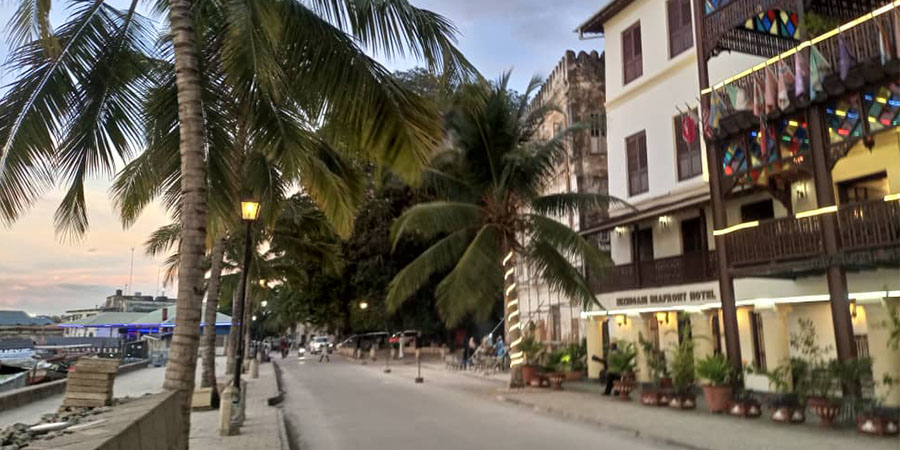
Stone Town is centuries old. Its charm comes from narrow alleys, coral-stone buildings, and pedestrian pathways.
That also means:
- Many hotels and restaurants are unreachable by car
- Google Maps may show routes that look logical but don’t work in reality
We’ve seen taxis promise to take guests “directly” to a restaurant, only to stop several streets away, not out of deception, but because cars physically can’t go further.
Local tip:
In Stone Town, walking with guidance beats driving with technology.
4. Booking Accommodation Without Context Can Backfire
Some travelers book hotels independently in Zanzibar, especially in beach areas like Nungwi. What many don’t realize:
- Some hotels operate multiple properties under similar names
- Some locations are much farther from activities than they appear online
We’ve seen guests arrive expecting one property, only to be taken to another under the same brand. It’s usually legitimate, but disappointing.
Local tip:
Always confirm exact property names and locations with a local planner before booking.
5. Cheap Tours Often Mean Compromises (Especially on Food)
Zanzibar has everything from premium excursions to ultra-budget tours.
Low-priced tours may:
- Overpromise
- Offer very basic meals
- Cut corners on logistics
We’ve seen guests expecting a proper lunch receive only simple food, not unsafe, just far from what they imagined.
Local tip:
In Zanzibar, price often reflects logistics quality, food standards, and preparation — not just profit.
6. Bargaining Is Cultural, Not Personal
Markets in Zanzibar are built on negotiation.
We once saw a guest buy a single banana for a price that could normally buy several. The vendor wasn’t hostile, the guest simply didn’t bargain.
Local tip:
If you don’t negotiate, you accept the first price. That’s how the system works.
7. Photos With People Should Always Be Agreed First
On the beach or in public spaces, you may meet Maasai or other locals in traditional attire.
Some are happy to chat or pose freely.
Others consider photos a paid service.
Local tip:
Always agree before taking photos. A simple conversation avoids awkward moments
8. Beach Vendors Are Persistent, Not Dangerous
Some visitors find beach vendors tiring, especially in busy areas. Persistence is common, but it’s rarely threatening.
Local tip:
A polite but firm “hapana, asante” (no, thank you) usually works. Booking activities through trusted operators removes this friction entirely.
9. Be Aware of Ramadan (Very Important)
Zanzibar has a strong Muslim culture.
During Ramadan:
- Many restaurants close during the day
- Eating or drinking publicly outside tourist areas is discouraged
- The island becomes quieter and more reflective
Local tip:
This doesn’t make Ramadan a bad time to visit, it just requires awareness and respect.
10. Dress Modestly Away From the Beach
On the beach, swimwear is normal.
In towns, villages, and Stone Town, modest dressing is expected.
Local tip:
Cover shoulders and knees when away from the beach — it shows respect and avoids unwanted attention.
11. Know Your Activity, Dress for It
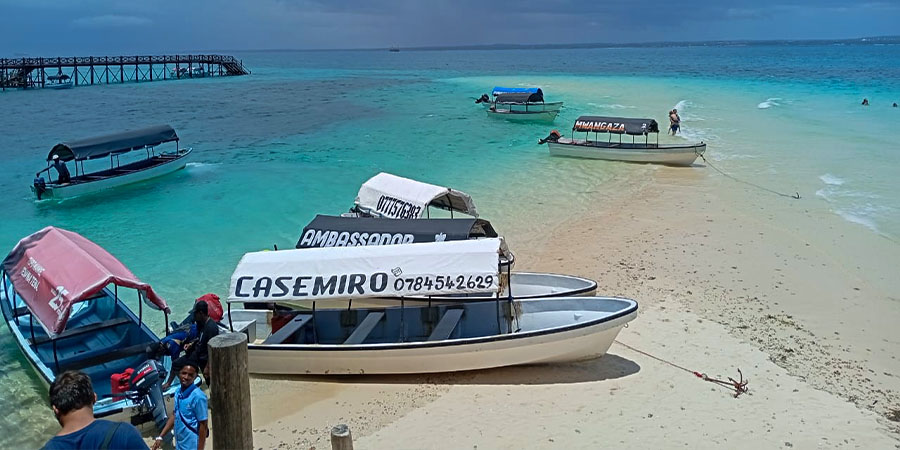
Some Zanzibar activities involve water whether you expect it or not:
- Prison Island
- Safari Blue
- Dolphin tours
- Dhow excursions
Many boats don’t dock fully. You often step into shallow water.
We’ve seen guests struggle simply because they weren’t prepared to get their feet wet.
Local tip:
If boats are involved, expect water up to the knees and dress accordingly.
12. “Pole Pole” Is Not a Problem, It’s a Rhythm
Zanzibar moves at pole pole (slowly).
Things may take longer than in major cities. This isn’t inefficiency, it’s cultural pace.
Local tip:
Once you stop fighting the rhythm, Zanzibar becomes far more enjoyable.
The Ekuseni Difference
Zanzibar doesn’t need fear.
It needs context.
At Ekuseni Travel, our role is simple:
- Translate local systems
- Remove friction
- Protect your experience
- Let you enjoy Zanzibar with confidence
Most frustrations disappear with structure, guidance, and local insight.
Plan Zanzibar the Way Locals Do
Zanzibar doesn’t need fear.
It needs context.
At Ekuseni Travel, our role is simple:
- Translate local systems
- Remove friction
- Protect your experience
- Let you enjoy Zanzibar with confidence
Most frustrations disappear with structure, guidance, and local insight.
The Ekuseni Difference
Zanzibar doesn’t need fear.
It needs context.
At Ekuseni Travel, our role is simple:
- Translate local systems
- Remove friction
- Protect your experience
- Let you enjoy Zanzibar with confidence
Most frustrations disappear with structure, guidance, and local insight.
FAQs
Is Zanzibar safe for tourists?
Because group size affects everything, from the number of rooms booked, to the type of vehicle used, and even the price per person. Being precise avoids last-minute confusion or unexpected costs.
Do tourists get overcharged in Zanzibar?
Sometimes, especially when booking transport or activities independently without knowing local price ranges. This is not unique to Zanzibar, it’s common in destinations with informal pricing systems. Booking through a trusted
Is it better to book Zanzibar activities in advance?
Yes. Booking in advance ensures availability, fair pricing, vetted guides, and better time management. It also reduces stress and prevents last-minute decisions that often cost more.
Why do some Zanzibar tours feel cheaper but disappointing?
Low-priced tours often cut costs on food quality, logistics, or time spent at attractions. The issue isn’t safety, it’s mismatched expectations. Understanding what’s included before booking is key.
Why do some Zanzibar tours feel cheaper but disappointing?
Low-priced tours often cut costs on food quality, logistics, or time spent at attractions. The issue isn’t safety, it’s mismatched expectations. Understanding what’s included before booking is key.
Can I rely on Google Maps in Zanzibar?
Google Maps can help with general navigation, but it doesn’t always reflect road conditions, safety considerations, or vehicle access, especially in Stone Town. Local guidance is often more reliable.
What should I wear in Zanzibar?
Swimwear is acceptable on the beach and at beach resorts. In towns, villages, and Stone Town, modest clothing covering shoulders and knees is recommended out of respect for local culture
What should I know about visiting Zanzibar during Ramadan?
During Ramadan, many restaurants close during the day, and visitors are expected to avoid eating or drinking publicly outside tourist areas. Travel is still possible and peaceful, but cultural awareness is important.
Are beach boys (vendors) and tour sellers a problem?
They can be persistent, especially in busy beach areas, but they are rarely dangerous. A polite refusal usually works. Many travelers prefer pre-booked activities to avoid constant negotiation.
Should I bargain when shopping in Zanzibar?
Yes. Bargaining is part of local market culture. If you don’t negotiate, you’re likely paying a tourist price. This is normal and not considered rude.