
Tanzania Safari Mistakes First-Time Travelers Make
(And How to Avoid Them)
A Tanzania safari is often a once-in-a-lifetime experience. Yet many first-time travelers unknowingly make small mistakes that reduce comfort, enjoyment, and sometimes even wildlife sightings.
Most of these mistakes don’t come from bad intentions, they come from misunderstanding how safari life really works. The African bush follows its own rhythm, and when expectations don’t match reality, disappointment can sneak in.
At Ekuseni, we’ve planned and guided countless safaris across Serengeti, Ngorongoro Crater, Tarangire, and beyond. This guide highlights the most common safari mistakes first-time travelers make, based on real field experience, and shows you how to avoid them.
Key Takeaways
- Safari is not a zoo: wildlife sightings require patience
- Early mornings are essential, even if they feel challenging
- Overpacking reduces comfort and mobility
- Strong scents and perfumes don’t belong on game drives
- Rushing itineraries leads to exhaustion, not better sightings
- Trusting local guides dramatically improves the experience
Top 10 Mistakes First-Time Travelers Make
Mistake #1: Treating Safari Like a Guaranteed Wildlife Show
Many first-time travelers arrive expecting animals to appear on command.
Reality check:
Safari parks are wild ecosystems, not controlled environments. Animals move freely, rest when they choose, and hunt on their own terms.
How to Avoid This Mistake
- Focus on the experience, not just sightings
- Appreciate landscapes, birdlife, and animal behavior
- Trust your guide’s tracking skills and patience
Often, the most memorable moments happen when you stop forcing expectations.
Mistake #2: Skipping Early Morning Game Drives
Some travelers underestimate the importance of early starts and choose to sleep in.
This is one of the biggest safari mistakes.
Predators such as lions, leopards, and cheetahs are most active before the heat of the day. By 9:30–10:00 AM, activity drops significantly.
How to Avoid This Mistake
- Be ready to depart between 6:00 and 6:30 AM
- Prepare clothing and gear the night before
- Accept early mornings as part of the safari rhythm
Mistake #3: Overpacking for the Safari
Many travelers pack more than what is needed.
Overpacking leads to:
- Limited vehicle space
- Unnecessary stress during transfers
How to Avoid This Mistake
- Pack light, neutral clothing
- Use a soft-sided duffel bag
- Leave extra luggage at your pre-safari hotel and collect it later
Safari comfort comes from simplicity, not excess.
Mistake #4: Wearing Strong Perfumes or Scented Products
This mistake is rarely mentioned online, but guides notice it immediately.
Strong scents can:
- Disturb wildlife by masking natural smells
- Cause nervousness or confusion in animals
- Attract insects such as bees during game drives
How to Avoid This Mistake
- Use unscented or lightly scented toiletries
- Skip perfumes and heavily scented deodorants
- Let the natural environment dominate the senses
Safari is about blending in, not standing out.
Mistake #5: Expecting Constant Action All Day
Some guests expect nonstop excitement from sunrise to sunset.
In reality:
- Wildlife activity peaks early morning and late afternoon
- Midday hours are slower and hotter
- Stillness is part of the bush experience
How to Avoid This Mistake
- Embrace quieter moments
- Understand that patience often leads to rewards
Experienced safari travelers know that calm moments often precede magic.
Mistake #6: Ignoring the Importance of a Good Guide
Not all safaris are equal, and the guide makes a huge difference.
A good guide:
- Reads animal behavior
- Communicates with other guides ethically
- Balances guest interests
- Manages unexpected situations calmly
How to Avoid This Mistake
- Choose a safari planner that prioritizes experienced local guides
- Ask how itineraries are designed and by whom
At Ekuseni, safari planning starts with the guide’s perspective, not just logistics.
Mistake #7: Rushing Through Too Many Parks
Trying to “see everything” often results in seeing very little properly.
Long drives every day lead to:
- Fatigue
- Reduced wildlife focus
- Less enjoyment
How to Avoid This Mistake
- Choose fewer parks and spend more time in each
- Allow for unplanned moments and flexibility
- Value depth over quantity
A slower safari often delivers richer experiences.
Mistake #8: Underestimating Cold Mornings
Many travelers think Africa is hot all day.
Early mornings especially in open vehicles and high-altitude areas like Ngorongoro can be very cold.
How to Avoid This Mistake
- Pack warm layers
- Use scarves, fleeces, and light gloves
- Remove layers later in the day
Comfort directly affects enjoyment.
Mistake #9: Not Bringing Binoculars
Guests often rely only on cameras or eyesight.
In reality:
- Animals are frequently far from the road
- Not everyone has long camera lenses
How to Avoid This Mistake
- Bring personal binoculars
- Use them for birds, distant predators, and scanning landscapes
This single item dramatically improves safari engagement.
Mistake #10: Focusing Only on the Big Five
Some travelers lose interest after seeing lions and elephants.
Safari becomes much richer when you appreciate:
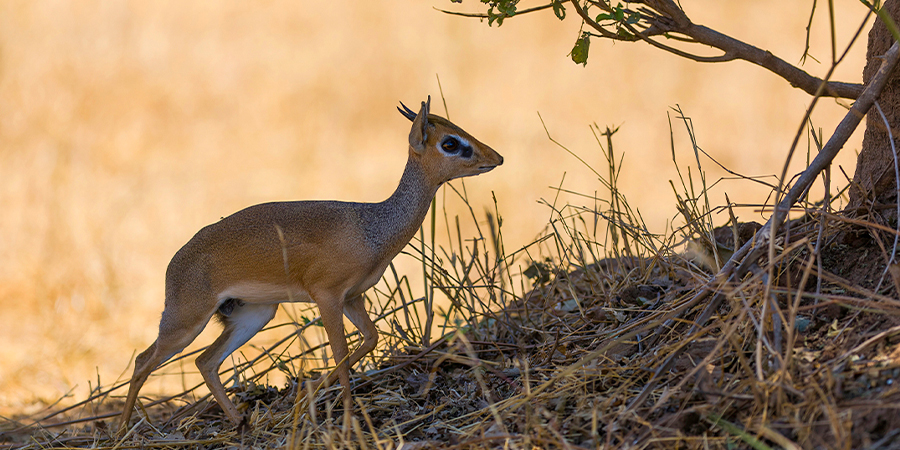
- Antelope species
- Birdlife
- Predator–prey interactions
- Ecosystem balance
How to Avoid This Mistake
- Ask guides questions
- Learn animal behavior, not just names
- Observe details, not just size
The bush rewards curiosity.
FAQs
Is Tanzania safari suitable for first-time travelers?
Yes, with proper planning and realistic expectations.
How many days are ideal for a first safari?
Usually 5–8 days, depending on parks and pace.
Are safari delays common?
Occasional delays happen and are part of bush travel.
Is a private safari better than shared?
Private safaris offer flexibility; shared safaris offer value. Both work well when planned properly.
Will I see predators hunting?
It’s possible, but never guaranteed,patience matters.
Do I need special safari clothing?
No, neutral, comfortable clothing is enough.
Are safaris physically demanding?
Mostly not, but long days and early mornings require energy.
Can children enjoy safari?
Yes, depending on age and itinerary design.
How important is the guide?
Extremely important—the guide shapes the entire experience.
How does Ekuseni help first-time travelers avoid these mistakes?
By designing flexible, realistic itineraries guided by local expertise.
Final Thought from a Local Planner
Most safari disappointments come from expectation gaps, not poor destinations. When travelers understand how safari truly works, the experience becomes calmer, richer, and far more rewarding.
Avoiding these common mistakes allows you to experience Tanzania as it is meant to be experienced—wild, unpredictable, and unforgettable.