
What to Pack for a Tanzania Safari
(A Local Guide’s Practical Packing List)
One of the most common questions local safari guides in Tanzania hear is:
“What should I pack for my safari?”
Most packing lists online are either copied, unrealistic, or written by people who have never spent long days on dusty safari roads, cold early mornings in open vehicles, or multiple nights moving between parks like the Serengeti, Ngorongoro Crater, and Tarangire.
At Ekuseni, our safari itineraries are designed by people who actually guide and plan safaris on the ground. This packing list is based on real safari conditions, not assumptions. If you pack wisely, you’ll be more comfortable, relaxed, and fully present for the experience.
This guide focuses on what truly matters, and what you can safely leave behind.
Quick Packing Overview (Local Guide Summary)
If you’re short on time, here’s the essence:
- Neutral-colored clothing works best
- Early mornings are cold, even in Africa
- Layers are more important than heavy luggage
- Comfort beats fashion on safari
- Less is more, laundry is usually available
Now let’s break it down properly.
Clothing: What Actually Works on Safari
1. Neutral-Colored Clothing (Non-Negotiable)
Stick to:
- Khaki
- Olive
- Brown
- Beige
- Muted greens
Avoid:
- Bright whites (show dust immediately, hence not friendly as we usually do game drives on dusty roads)
- Dark blacks (can attract tsetse flies in some areas)
- Neon or very bright colors
Neutral colors help you blend into the environment and stay presentable throughout long game drives.
2. Warm Layers for Early Mornings
This surprises many first-time travelers.
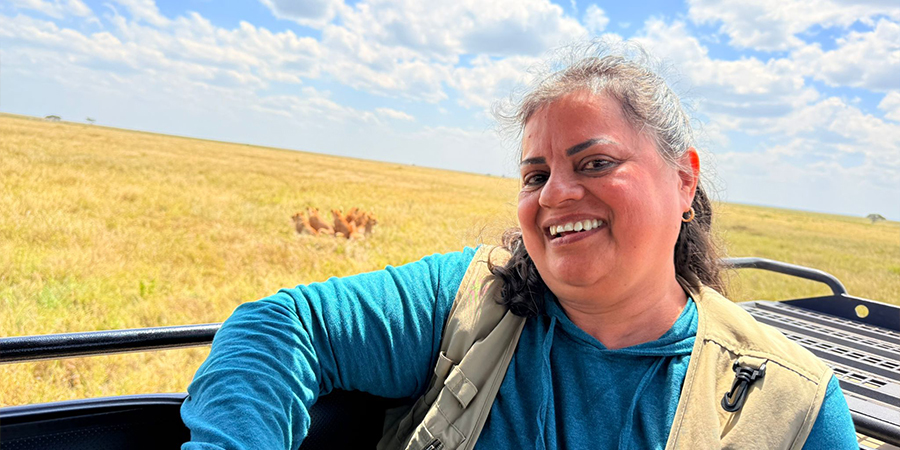
Early morning game drives (6:00–8:00 AM) can be very cold, especially:
- In open-roof safari vehicles
- Around Ngorongoro Crater
- During dry season months
Pack:
- A warm fleece or light jacket
- A long-sleeve base layer
- A scarf or buff
- Light gloves (optional but appreciated)
You can always remove layers later, but you can’t enjoy wildlife if you’re freezing.
3. Comfortable Daytime Safari Wear
For daytime drives and lodge time:
- Lightweight shirts (long or short sleeve)
- Comfortable trousers
- Breathable fabrics (cotton or technical blends)
Avoid heavy denim, it’s uncomfortable in the heat and slow to dry
4. Footwear: Comfort Over Style
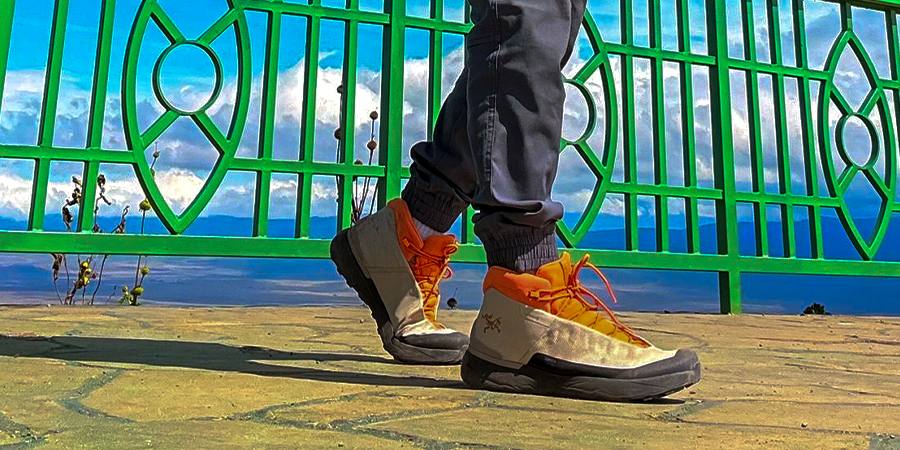
You don’t need hiking boots unless you’re doing long walking safaris.
Best options:
- Comfortable closed shoes or trainers
- Light sandals or flip-flops for the lodge
Your feet will thank you after long days in the vehicle.
Safari Essentials You’ll Be Glad You Packed
1. Sun Protection
African sun is strong year-round.
Pack:
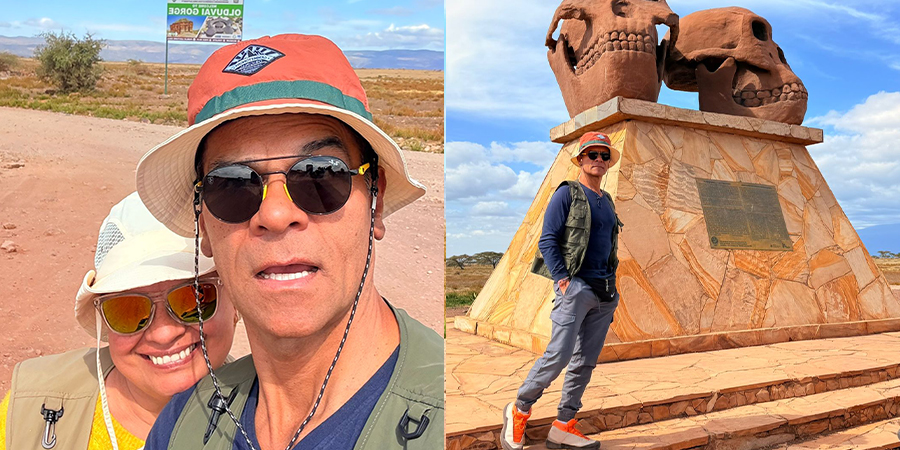
- Wide-brimmed hat or cap
- Sunglasses
- Sunscreen (SPF 30+)
2. Binoculars (Highly Recommended)
Some safari vehicles carry shared binoculars, but having your own personal pair makes a noticeable difference on game drives.
Your own binoculars:
- Improve wildlife viewing, especially for distant animals
- Allow you to observe quietly without passing equipment around
- Enhance birdwatching and small wildlife sightings
In real safari conditions, animals are often far from the road, resting under trees or moving across open plains. If you don’t have a long camera lens, binoculars become your best tool for spotting details, whether it’s a leopard in a distant acacia tree or a cheetah scanning the horizon.
This is one item experienced safari travelers rarely skip, and guides see a clear difference in enjoyment between guests who bring binoculars and those who don’t.
3. Small Daypack
Useful for:
- Camera
- Water bottle
- Extra layers
- Snacks
Soft backpacks are better than rigid bags.
4. Camera & Charging Accessories
Pack:
- Camera or smartphone with good zoom
- Extra memory cards
- Charging cables
- Power bank (very useful during long drives)
5. Sun Protection (Often Underestimated)
Afternoon game drives—especially in open-roof safari vehicles—can expose you directly to the sun for several hours.
Make sure to pack:
- A sun hat (wide-brimmed or cap)
- Sunglasses (polarized if possible)
- Sunscreen (SPF 30+)
These items become especially important during midday and afternoon drives when the sun is high and shade is limited.
Health & Personal Items
Pack only essentials:
- Personal medications
- Insect repellent
- Hand sanitizer or wipes
- Basic toiletries
You may also wish to bring personal comfort items, such as:
- A book or e-reader for relaxing at the lodge after game drives
- A journal for notes or reflections
- Light personal entertainment for quiet evenings
Safari days are active, but evenings are often peaceful and slow-paced, perfect for reading, resting, or simply unwinding.
Luggage: Less Is More on Safari
Safari vehicles and light aircraft have strict luggage limits.
Best choice:
- Soft-sided duffel bag
- Medium size (15–20 kg is usually sufficient)
Avoid hard suitcases, they are difficult to load and unnecessary.
What You Do Not Need to Pack
Many travelers overpack. You can safely leave behind:
- Formal clothing
- Excess shoes
- Multiple heavy jackets
- Hair dryers and irons
Important to know:
Many safari lodges operate on limited solar or generator power. As a result, the use of high-energy electronic equipment such as hair dryers and irons is often restricted or discouraged. Even when allowed, they may not work reliably.
Avoid Strong Scents on Safari
Safari guests should also avoid:
- Strong perfumes
- Heavily scented deodorants
- Fragrant lotions or sprays
Strong scents can:
- Disturb wildlife by masking natural environmental smells
- Cause nervousness or confusion in animals
- Attract insects such as bees during game drives
Unscented or lightly scented products are always the best choice in the wild.
Extra Luggage: What Many Travelers Don’t Realize
You don’t need to take everything into the bush.
Most travelers have the option to:
- Leave extra luggage at their hotel before starting the safari
- Travel light into the national parks
- Collect their stored luggage when they return from safari
This is especially helpful for guests continuing with beach stays, city travel, or longer trips after the safari. Packing light makes transfers easier and improves comfort during game drives.
Safari vehicles and light aircraft have strict luggage limits.
Best choice:
- Soft-sided duffel bag
- Medium size (15–20 kg is usually sufficient)
Avoid hard suitcases, they are difficult to load and unnecessary.
Packing Based on Safari Type
Shared Safari Travelers
- Pack compact and light
- Be mindful of shared vehicle space
Private Safari Travelers
- Slightly more flexibility, but still pack smart
Either way, efficient packing improves everyone’s experience.
FAQs
Do I need special safari clothing?
No. Neutral, comfortable clothing is enough no need for branded safari outfits.
Is it cold on safari?
Yes, early mornings can be cold, especially in Ngorongoro and open vehicles.
Can I do laundry on safari?
Most lodges offer laundry services, often included.
Should I bring hiking boots?
Not necessary unless you’re doing extensive walking safaris.
Are luggage limits strict?
Yes, especially on light aircraft transfers.
Can I wear shorts on safari?
Yes, especially during the day. Long trousers are better for mornings and evenings.
Do I need binoculars?
They’re not mandatory, but they greatly improve the experience.
What type of bag is best?
Soft-sided duffel bags are ideal.
Is camouflage clothing allowed?
It’s better avoided; neutral colors are sufficient
Will Ekuseni help me prepare before arrival?
Yes. Every Ekuseni traveler receives practical pre-trip guidance tailored to their itinerary.