
8 Tanzania Safari Tips from Local Guides
(What First-Time Travelers Often Miss)
Planning your first safari to Tanzania’s legendary Safari destinations such as Serengeti National Park, Ngorongoro Crater, and Tarangire is very exciting. But behind that excitement, many travelers share quiet concerns: Will I see enough wildlife? Will the early mornings be too hard? Am I choosing the right safari experience?
The most valuable safari advice doesn’t come from glossy brochures or generic travel blogs. It comes from local safari guides who spend every day on these plains reading tracks, weather patterns, animal behavior, and guest expectations.
At Ekuseni, we believe a safari should feel less like a tour and more like being hosted by someone who truly understands Tanzania. These seven Tanzania safari tips come directly from our local guides with years of experience in the industry. We designed these 8 tips to help first-time travelers avoid common mistakes, feel prepared, and experience the wild in a deeper, calmer, and more meaningful way.
Who This Article Is For
This guide is especially helpful if you:
- Are planning your first Tanzania safari
- Want honest advice from local safari guides
- Prefer well-planned but flexible itineraries
- Are deciding between shared vs private safaris
- Want to travel respectfully and avoid common safari mistakes
Key Takeaways
- Early morning game drives are cold but essential for the best wildlife action
- Safari success depends on patience and trust in your guide, not rushing
- Shared safaris require flexibility and respect for group dynamics
- Delays happen, embracing the Pole Pole mindset improves the experience
- A 6:00–6:30 AM departure is non-negotiable for serious wildlife viewing
- Learning beyond the Big Five keeps multi-day safaris engaging
- Simple Swahili phrases create genuine connections with local people
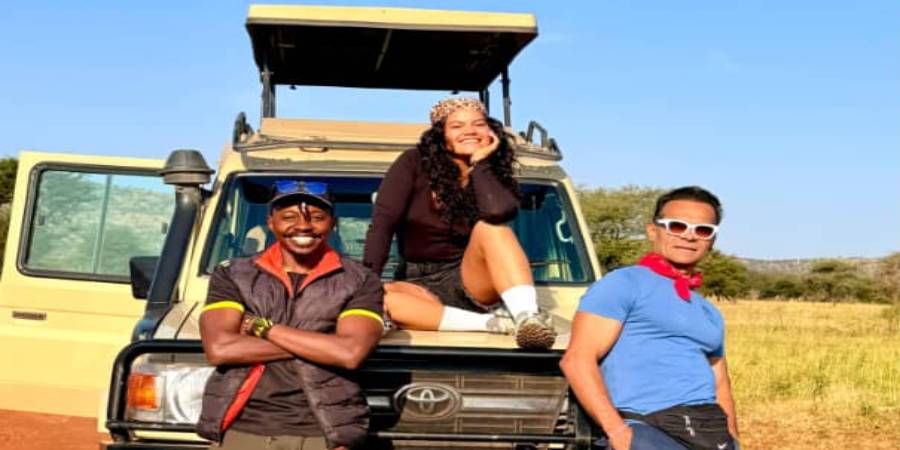
Our 8 Tanzania Safari Tips
1. Dress Like the Guide, Not a Tourist
Safari clothing is practical for a reason. Avoid bright whites and deep blacks. White shows dust instantly on dirt roads, while black can attract biting tsetse flies in some regions. Local guides wear neutral tones: khaki, olive, and brown, because they blend into the environment and stay presentable throughout long game drives.
More importantly, prepare for cold mornings. The best wildlife viewing happens early, with open-roof vehicles, and temperatures before 8:00 AM, especially around the Ngorongoro Crater rim, can be surprisingly cold. Without a warm fleece, hat, or light gloves, you’ll struggle to enjoy the most active wildlife hours.
This is why we always advise proper layering, even for travelers visiting during dry seasons (June to October).
2. Trust the Guide’s Direction
Tanzania’s safari parks are huge, wild ecosystems, not zoos. Sightings are never guaranteed, and that’s what makes them special. Your guide is trained to read even minor signs: alarm calls from birds, fresh tracks, wind direction, and communication from other guides.
The biggest mistake first-time safari travelers make is rushing the experience. Some of the most memorable moments, such as a leopard resting in a tree or lions preparing to hunt, often come after long periods of quiet observation.
Relax. Trust your guide. Nature works on its own schedule.
3. When Sharing a Jeep, Embrace the Group Experience
Shared safaris are a wonderful way to experience Tanzania affordably, but they require flexibility. One guest may be focused on lions, while another is fascinated by zebras, giraffes, or birdlife.
A good guide balances everyone’s interests fairly. You may notice safari vehicles communicating or driving close together, this is intentional. It ensures that all guests get a chance to experience key sightings, not just a few lucky ones.
Understanding this dynamic leads to a smoother, more enjoyable safari for everyone.
4. Adopt the Pole Pole Spirit
Pole Pole means “slowly, slowly” in Swahili, and it’s a mindset every safari traveler should embrace.
Occasionally, things happen beyond anyone’s control: a flat tire, a vehicle issue, or a temporary network delay at park gates during permit verification. Your guide will handle the logistics calmly and professionally.
Your role is to relax. Use these moments to stretch, observe birds, or simply absorb the remoteness of Tanzania’s landscapes. These pauses often become unexpected highlights.
5. Be Ready For Early Morning Game Drives
Serious safari days start early. Most guides depart between 6:00 and 6:30 AM, which means you may have to wake up around 5:00 AM.
Why so early? Because predators are most active before the heat of the day sets in. This “golden hour” offers the best chance to witness hunting behavior, movement, and interactions.
If you skip early starts, you miss the most important wildlife moments of the day.
6. A Little Prior Knowledge Deepens the Experience
Some guests feel disengaged after ticking off the Big Five. The secret to a fulfilling multi-day safari is understanding the broader ecosystem.
For example, learn about:
- Different antelope species
- The role of wildebeest and zebra migrations
- Predator–prey relationships
- Local cultures such as the Maasai
When you ask deeper questions, your guide can transform a simple game drive into a rich, educational experience.
7. Swahili Is the Key to Genuine Connection
English is widely spoken by guides and lodge staff, but learning a few Swahili words shows respect and warmth toward the local community.
Start with these essentials:
- Mambo – Hello (This is better than the famous Jambo!)
- Asante Sana – Thank you very much
- Karibu – Welcome
These small efforts create meaningful human connections and help you feel less like a visitor and more like a welcomed guest.
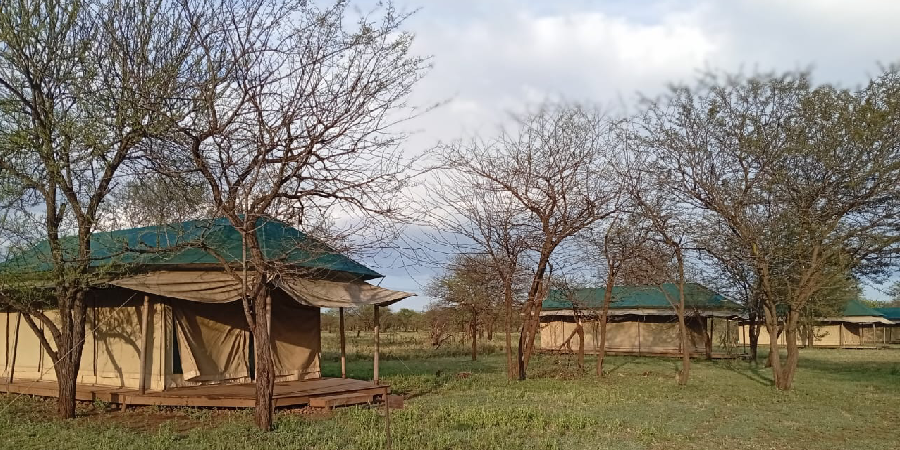
8. Sleeping in Tented Camps Is Safe — Even When You Hear Wildlife
Many first-time safari travelers feel nervous about sleeping in canvas tented camps, especially in places like the Serengeti. This is completely normal.
Here is what local guides want you to know:
Tented camps are designed for safety, not adventure risk.
The canvas walls are not what protect you, the location, camp design, staff protocols, and animal behavior understanding do.
What to Expect at Night
You may hear lions, hyenas, wildebeest, or zebra moving nearby
These sounds are normal and part of life in the bush
Wild animals do not associate tents with prey
Camps are positioned in areas animals are already accustomed to human presence
Hearing wildlife does not mean danger, it means you are in a real ecosystem.
How Tented Camps Keep Guests Safe
Trained staff monitor animal movement around camp
Guests are escorted at night with flashlights
Clear pathways are used, no wandering alone
Camps are well-lit in key areas
Vehicles and staff are always on standby
At night, you are never expected to move around alone.
Frequently Asked Questions (FAQs)
What is the best time of year for a Tanzania safari?
Tanzania offers excellent safaris year-round. Dry seasons (June–October) are ideal for wildlife viewing, while green seasons offer fewer crowds and lush landscapes.
How many days do I need for a Tanzania safari?
A well-paced safari usually lasts 5–8 days, depending on the parks visited and travel style.
Are Tanzania safaris suitable for first-time travelers?
Yes. With proper planning and local guidance, Tanzania is one of the best safari destinations for first-timers.
Is it better to choose a private or shared safari?
Private safaris offer flexibility and privacy. Shared safaris are more budget-friendly and social. Both can be excellent when well organized.
How cold does it get on safari?
Early mornings can be cold, especially in Ngorongoro. Layered clothing is essential.
Will I definitely see the Big Five?
Sightings depend on nature, not guarantees. Experienced guides greatly improve your chances, but patience is key.
What should I pack for a Tanzania safari?
Neutral clothing, warm layers, sunscreen, binoculars, comfortable shoes, and curiosity.
Is Tanzania safe for safari travelers?
Yes. When traveling with reputable local operators, Tanzania is considered very safe.
Do I need to speak Swahili to enjoy my safari?
No, but learning a few words enhances cultural connection and appreciation.
Why choose a local safari planner like Ekuseni?
Local planners design realistic, flexible itineraries based on firsthand experience..
Conclusion
A Tanzania safari is more than a checklist of animals, it’s a journey into one of the world’s last great wild places. By following these Tanzania safari tips from local guides, you arrive prepared, patient, and open to the experience.
With the right mindset and trusted guidance, you move beyond being a tourist and begin to truly connect with Tanzania’s landscapes, wildlife, and people.
Plan Your Safari with Local Experts Who Know the Difference
Reading safari tips is helpful. Planning a safari with people who live and work here every day is what makes the real difference. At Ekuseni, we design flexible, well-paced Tanzania safari itineraries guided by local experts tailored to your travel style, expectations, and budget, from comfortable mid-range to refined luxury.
Contact Us now, and let us help you design a safari that feels personal, calm, and unforgettable.