
Tanzania Safari Cost Breakdown:
Where the Money Actually Goes
One of the most common questions we hear at Ekuseni is:
“Why is a Tanzania safari expensive, and where does the money really go?”
This is a fair question.
A safari is often a once-in-a-lifetime investment, and you deserve clarity.
This guide breaks down exactly what you are paying for, what truly drives safari costs, and how to evaluate real value versus cheap-looking offers.
First, an Important Truth About Safari Pricing
A safari is not a single product.
It is a logistical system operating in the remote wilderness.
Unlike city tours or beach holidays:
- There are no public roads in many parks
- No nearby fuel stations or mechanics
- No mass infrastructure
Every dollar supports access, expertise, conservation, and safety.
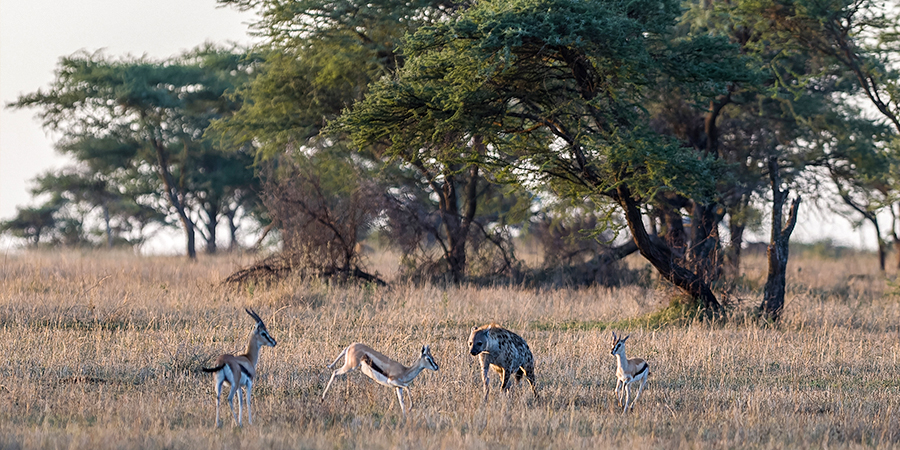
The 7 Core Cost Components of a Tanzania Safari
1. National Park & Conservation Fees (Non-Negotiable)
This is where a significant portion of your safari budget goes.
Typical costs include:
- Park entry fees (per person, per day)
- Ngorongoro Crater service fees
- Conservation and community levies
📌 These fees are set by the Tanzanian government, tour operators do not control them.
They fund:
- Wildlife protection
- Anti-poaching efforts
- Park infrastructure
- Community support around parks
This is why Tanzania remains one of Africa’s best-preserved safari destinations.
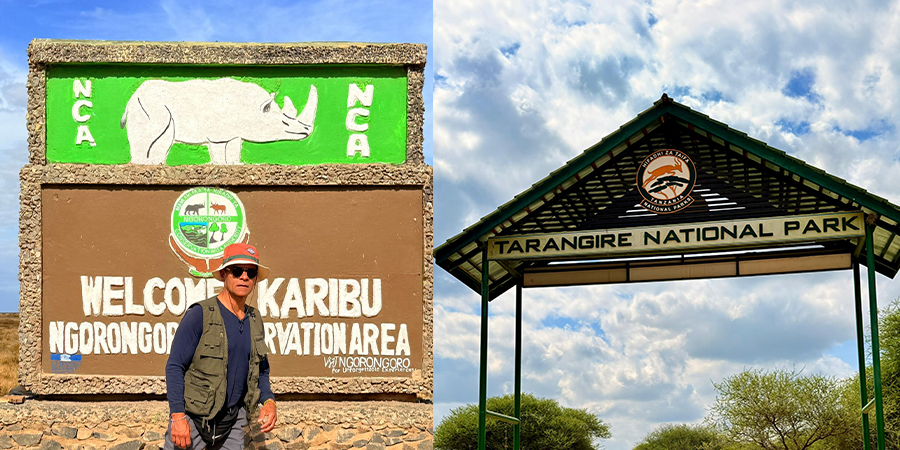
2. Safari Vehicle Costs (Often Underestimated)
Your safari vehicle is not just transport, it’s your mobile base.
Costs include:
- Heavy-duty 4×4 Land Cruiser
- Regular maintenance (rough terrain destroys vehicles)
- Fuel (extremely high consumption in parks)
- Park vehicle permits
- Wear-and-tear replacements
📌 Even if you fly in, the vehicle and guide must still reach the park.
This is why flying does not eliminate vehicle costs, it mainly saves your time, not operating expenses.

3. Professional Safari Guide (The Heart of Your Experience
A great safari guide is:
- A trained wildlife tracker
- A safety officer
- A storyteller
- A problem solver in remote areas
You are paying for:
- Years of training and experience
- Daily guiding (often 6–9 hours)
- Navigation, tracking, and communication skills
- Responsibility for your safety in the wild
Cheap safaris often cut costs in this aspect, and that’s where experiences suffer most.
4. Accommodation & Meals (Big Price Range)
Safari accommodation varies widely:
- Budget camps
- Mid-range lodges
- Luxury and ultra-luxury properties
Your cost reflects:
- Location (inside vs outside the park)
- Level of comfort
- Staff-to-guest ratio
- Power, water, and food logistics in remote areas
📌 Even “simple” safari camps operate in places where everything must be transported in.
5. Logistics, Planning & Operations (The Invisible Work)
This is what many travelers never see.
Behind the scenes:
- Itinerary planning
- Lodge coordination
- Permit handling
- Emergency planning
- Staff logistics
At Ekuseni, this planning is what allows:
- Flexibility
- Problem-solving mid-trip
- Adjustments when conditions change
You’re not just paying for days on safari, you’re paying for risk management and experience design.
6. Domestic Flights (When Included)
Flights can:
- Save long driving hours
- Improve comfort
- Allow deeper focus on one park (e.g. Serengeti)
But flights:
- Do not significantly reduce guide or vehicle costs
- Add baggage restrictions
- Depend on weather and availability
They are a time-saving choice, not always a cost-saving one.
7. Operator Margin (Often Misunderstood)
A responsible operator margin supports:
- Staff welfare
- Vehicle replacement
- Insurance
- Sustainability of operations
Ultra-cheap offers often mean:
- Underpaid guides
- Poor vehicle maintenance
- No backup when things go wrong
Value is not about the lowest price, it’s about what happens when something changes
Why Two Similar Safaris Can Have Very Different Prices
Because:
- One uses experienced guides, the other beginners
- One uses well-maintained vehicles, the other stretched ones
- One plans for flexibility, the other sticks rigidly to plan
- One absorbs problems, the other passes them to guests
- Difference in travel styles
Safari pricing reflects risk ownership.
How Shared vs Private Safaris Affect Cost
Shared Safari
- Costs are split
- Fixed itineraries and dates
- Lower price, less control
Private Safari
- You cover vehicle and guide
- Full flexibility
- Higher cost, higher experience quality
Neither is “better”. They serve different travelers.
Common Cost Myths (Let’s Clear Them)
❌ “Flying removes vehicle costs”
Not entirely, vehicles and guides still move.
❌ “Shorter safari is always cheaper”
Sometimes true, sometimes not, park fees, accommodation, and logistics still apply.
❌ “Luxury is the main reason safaris are expensive”
No, remoteness and conservation are.
How Ekuseni Approaches Safari Pricing
At Ekuseni:
- We explain costs transparently
- We adjust itineraries to match real priorities
- We don’t oversell days or parks
- We balance experience and budget honestly
If you want to reduce costs, we:
- Adjust accommodation levels
- Optimize itinerary
- Suggest fewer, better parks
Not shortcuts that ruin the experience.
FAQs
What is the biggest cost driver?
Park and conservation fees + vehicle & guide.
Can I do a “cheap” Tanzania safari?
You can, but quality, comfort, or safety is usually compromised.
Is Tanzania more expensive than Kenya?
Often yes, due to higher conservation standards and fees.
Are park fees refundable?
Usually no, once incurred.
Does traveling in low season reduce costs?
Yes, mainly on accommodation and sometimes on park fees
Can I control safari costs?
Yes, through smart planning, not shortcuts.
Are tips included?
Usually not; tipping is customary but optional.
Do children pay full price?
Park fees are often reduced for children.
Is travel insurance important?
Yes, especially for cancellations or emergencies.
How do I know if I’m getting value?
Look at guide quality, itinerary logic, flexibility, and transparency.